
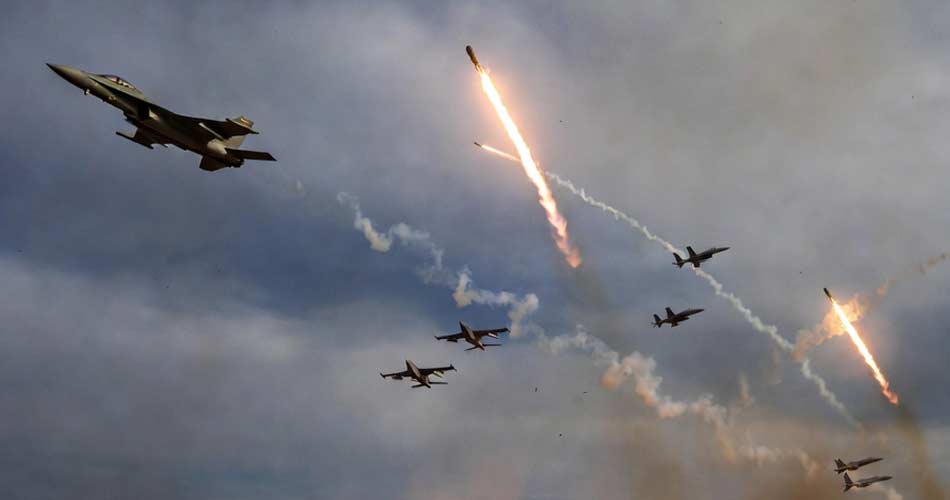
Tensions between the United States and Iran have entered a dangerous new phase following a wave of military strikes and counterattacks that have intensified instability across the Middle East. The latest escalation began after U.S. forces, reportedly coordinated with Israeli defense operations, carried out precision air and missile strikes on several locations inside Iran, including strategic zones near the capital, Tehran.
Officials in Washington stated that the strikes were aimed at facilities connected to Iran’s military planning and nuclear-related infrastructure, describing the operation as a preventive action against emerging security threats. Tehran, however, strongly condemned the attacks, calling them a violation of sovereignty and warning that retaliation was inevitable.
Iran Launches Counterattacks
Within hours of the strikes, Iran responded by firing missiles toward targets linked to Israeli military positions and U.S. assets stationed across the region. The retaliation triggered high alert levels in multiple Gulf nations that host American bases, with air defense systems activated amid fears of additional attacks.
Reports from Iranian authorities indicated explosions in several provinces, with damage to infrastructure and confirmed casualties. Iranian leadership declared that the confrontation had moved into a new and more serious stage, signaling the possibility of prolonged military exchanges.
Civilian Disruption Spreads Across Region
The consequences of the conflict have quickly extended beyond military targets. International airlines began suspending or rerouting flights over parts of the Middle East due to rising security risks, creating widespread travel disruptions. Several governments issued advisories urging citizens to avoid travel to affected areas.
Local reports from Iran described civilian casualties in populated zones struck during the attacks, prompting concern from humanitarian organizations and renewed calls for independent investigations. In some cities, residents rushed to stock essential supplies as uncertainty over further escalation grew.
Diplomacy Faces Setback
The renewed violence follows the collapse of recent nuclear negotiations between Washington and Tehran, which ended without a breakthrough. The failure of diplomatic efforts has heightened fears that political dialogue may no longer be sufficient to contain the crisis, although officials on both sides have left the door open for future talks.
Rising Global Economic and Security Concerns
Security analysts warn that continued retaliation could pull additional regional actors into the conflict, increasing the risk of a broader war. Global markets are closely monitoring developments, particularly energy supplies and shipping routes that could be affected by instability in the region.
With tensions still rising and military readiness increasing on multiple fronts, the situation remains unpredictable. Observers say the coming days will be critical in determining whether diplomatic engagement can resume or whether the confrontation will expand further.